Cross-Training in Crisis: How Physical Environment and Equipment Organization Support Emergency Response

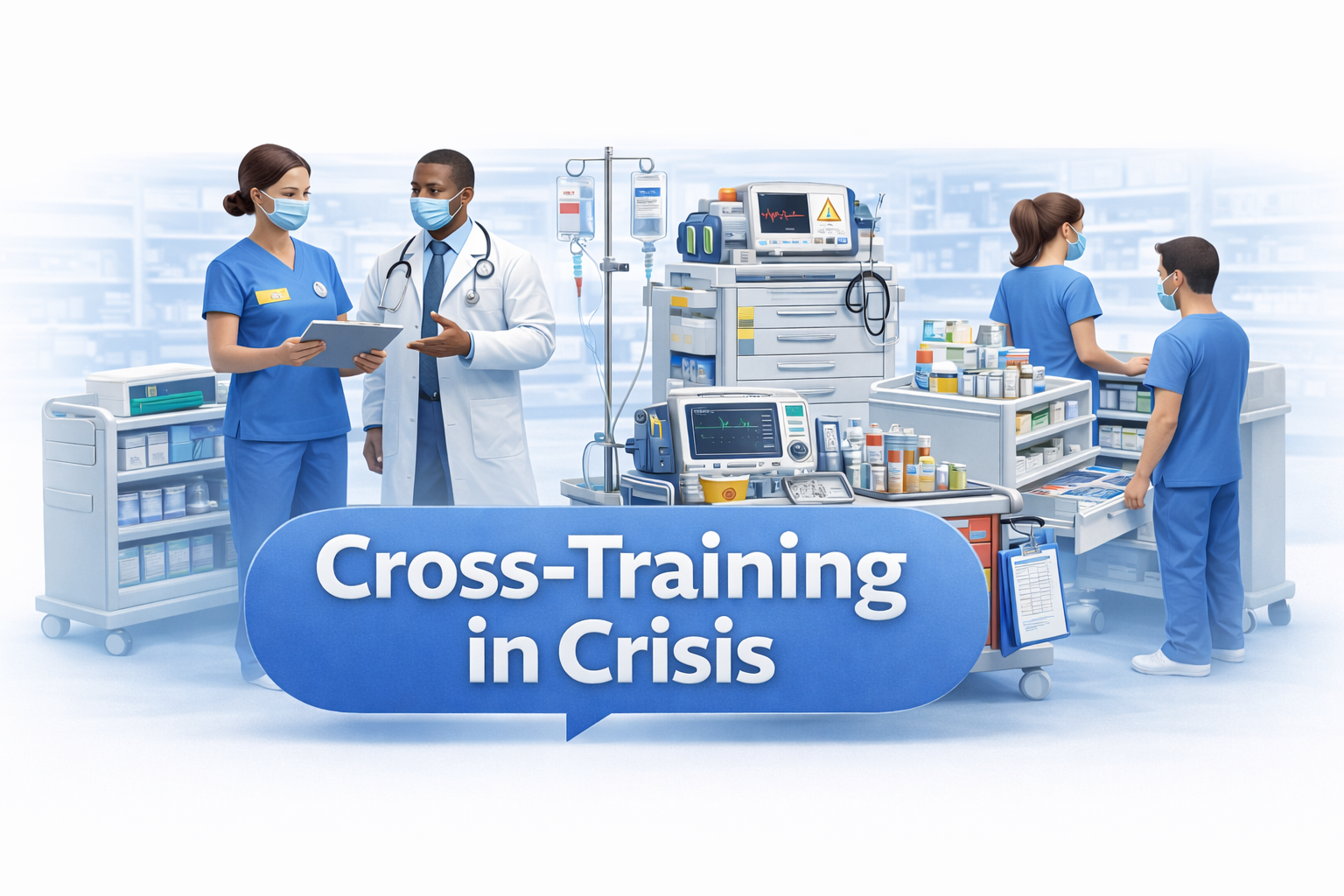
Preparing clinicians for unfamiliar roles and situations can be an essential part of ensuring readiness in crises, and cross-training programs are an effective way to accomplish this. Part of this preparation includes maintaining a physical environment that can support a trained clinician at the moment of crisis. Cross-trained clinicians coming into an unfamiliar unit have none of the environmental familiarity that permanent staff develop over time. Every source of disorganization will be more difficult for them to navigate than it would be for someone who works in that unit every day.

Meeting Joint Commission expectations with your Emergency Code Carts…

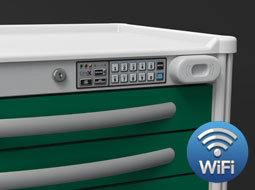
The Joint Commission is an independent, nonprofit organization that accredits U.S. healthcare organizations to promote patient safety and quality of care. When it comes to code carts, The Joint Commission looks for simple but critical things: that carts are consistently stocked, properly organized, securely locked, and checked on a routine basis. Their goal is to ensure that in an emergency, staff can access the right equipment and medications immediately, without confusion, delays, or missing items.

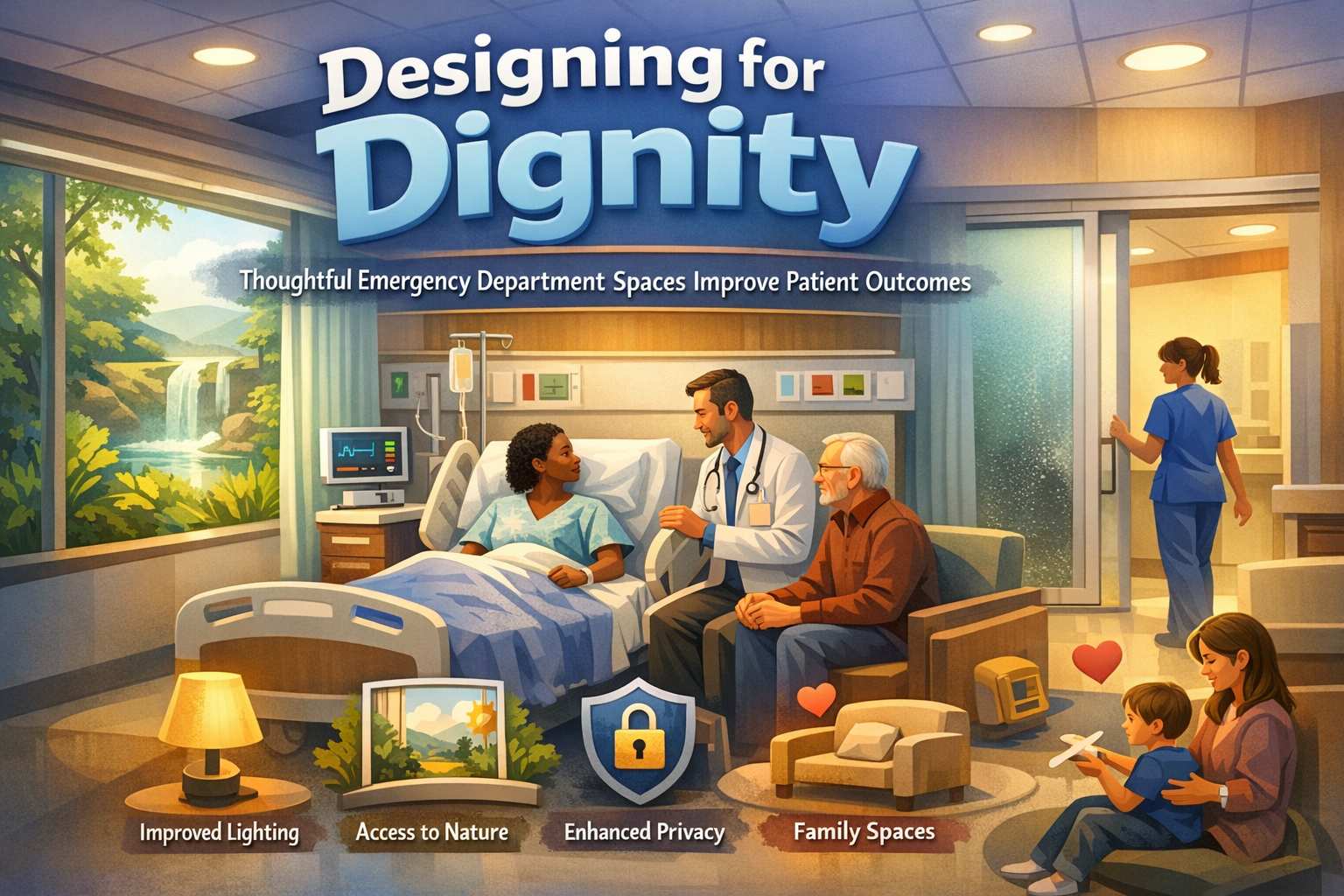
Designing for Dignity: How Thoughtful Emergency Department Spaces Improve Patient Outcomes

Patients arriving at an emergency center often experience the same mix of emotions: pain, fear, and a distinct loss of control. Vulnerable moments like these send powerful messages: Either they're safe and cared for, or they’re just another case to process.

Best Practices for Clinicians: Effective Use of Code Carts in Emergency Resuscitation

Strategies to reduce emergency response times and improve ACLS compliance, standardize cart configurations, and enhance patient outcomes during cardiac arrest and medical emergencies often come down to actionable best practices for code cart management. Most of the time, this includes maintenance checklists, training protocols, and quality improvement metrics to make systems significantly easier to maintain.

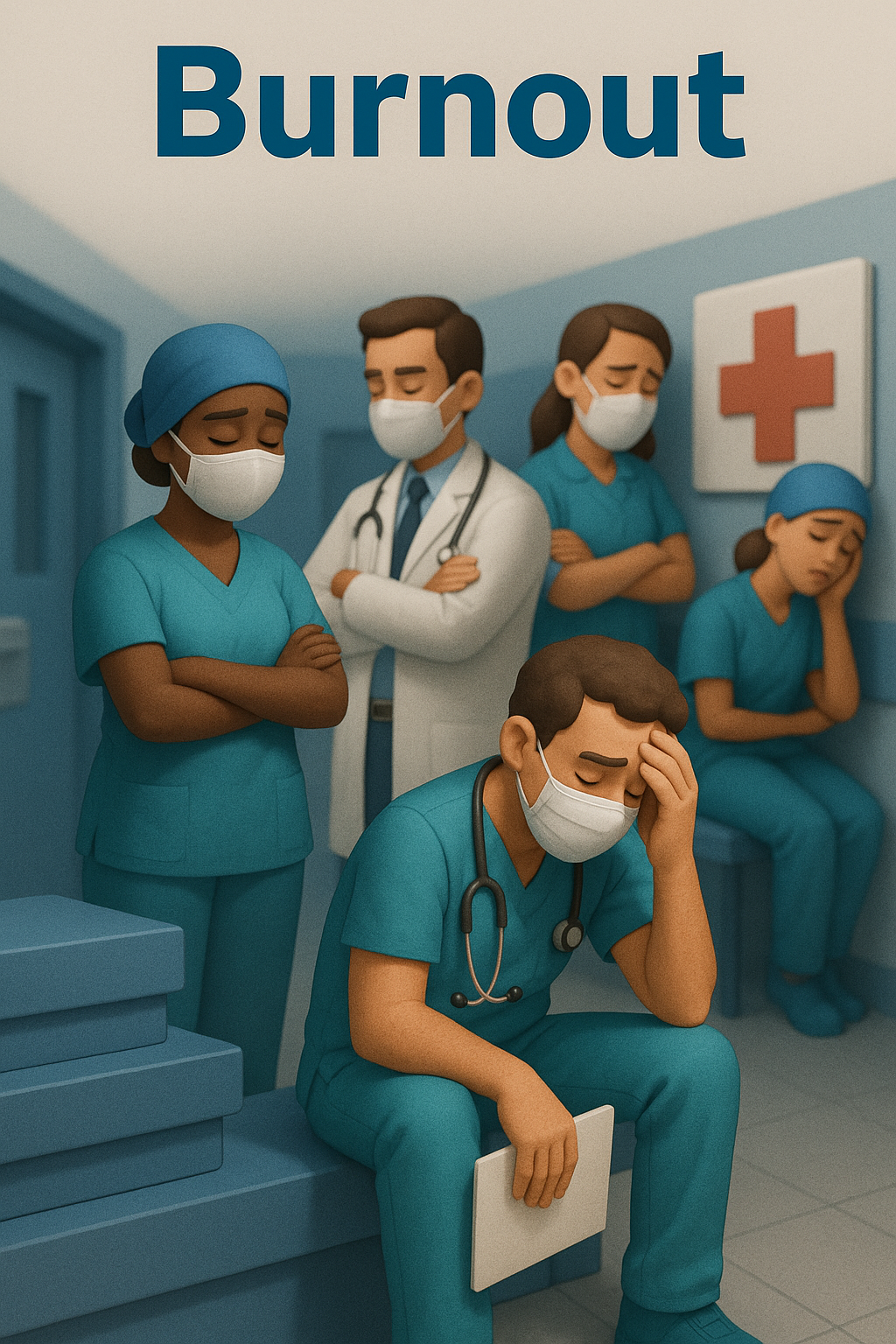
Reducing Burnout in Emergency Medicine: Systemic Solutions Beyond Self-Care

Emergency medicine physicians and nurses face some of the highest burnout rates in healthcare. So many experience symptoms of emotional exhaustion, but that's only the beginning. It's become imperative that healthcare facilities that want to retain talented emergency medicine professionals look beyond individual resilience to address any issues that cause burnout.

Medical Cart Maintenance 101: Clean Smarter, Not Harder

Healthcare environments require a healthy level of cleanliness and functionality of medical equipment, but it's not just about appearance. Cleaning carts is a critical component of patient safety and infection control. Medical carts serve as mobile command centers throughout hospitals and clinics, so maintaining a specific cleaning protocol will ensure that they continue performing reliably while meeting healthcare standards.

Supporting Clinicians: Tools That Make a Difference in High-Stress Environments

In critical emergencies, such as cardiac arrests, code carts—also known as crash carts—serve as a vital lifeline for clinicians, housing the medications, airway equipment, and defibrillation tools needed for immediate patient resuscitation. Given their pivotal role, the selection and configuration of code carts should never be left to chance or handled solely by procurement or individual departments. Instead, a hospital code committee should be centrally involved in evaluating and approving new code carts. This multidisciplinary group brings the clinical, logistical, and regulatory expertise required to ensure optimal functionality and patient safety.

Steel or Aluminum? Which is the Best Material for Your Next Medical Cart?

When choosing a material for your next Waterloo medical cart, one of the options you’ll encounter is whether you should select steel or aluminum construction.  To make the right decision, you’ll need to consider several factors relative to the intended use of your medical cart. Some of these considerations include mobility, any potential future need to add accessories, aesthetics, the need for a larger work surface, and our drawer dividers (which we highly recommend) are just some of the requirements you’ll need to investigate.  Simply put: If budget is the most important factor in your decision, then a steel cart would be your initial starting point.  But hold on just a moment because there are some criteria that could make an aluminum cart the right choice, even in the face of a challenging budget.  We’ll investigate some of those criteria within this article.  The Waterloo traditional steel procedure cart [...]

Title

Go to Top