

Waterloo Healthcare Newsletter – September 2026
We’ve had a busy summer and have a lot to share. This newsletter is full of exciting announcements on new programs and platforms, important information regarding controlled substance security, images from a conference, plus a spotlight on one of our distributors.
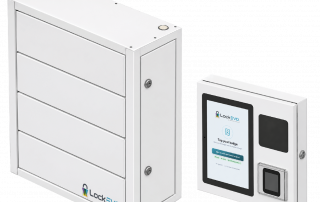
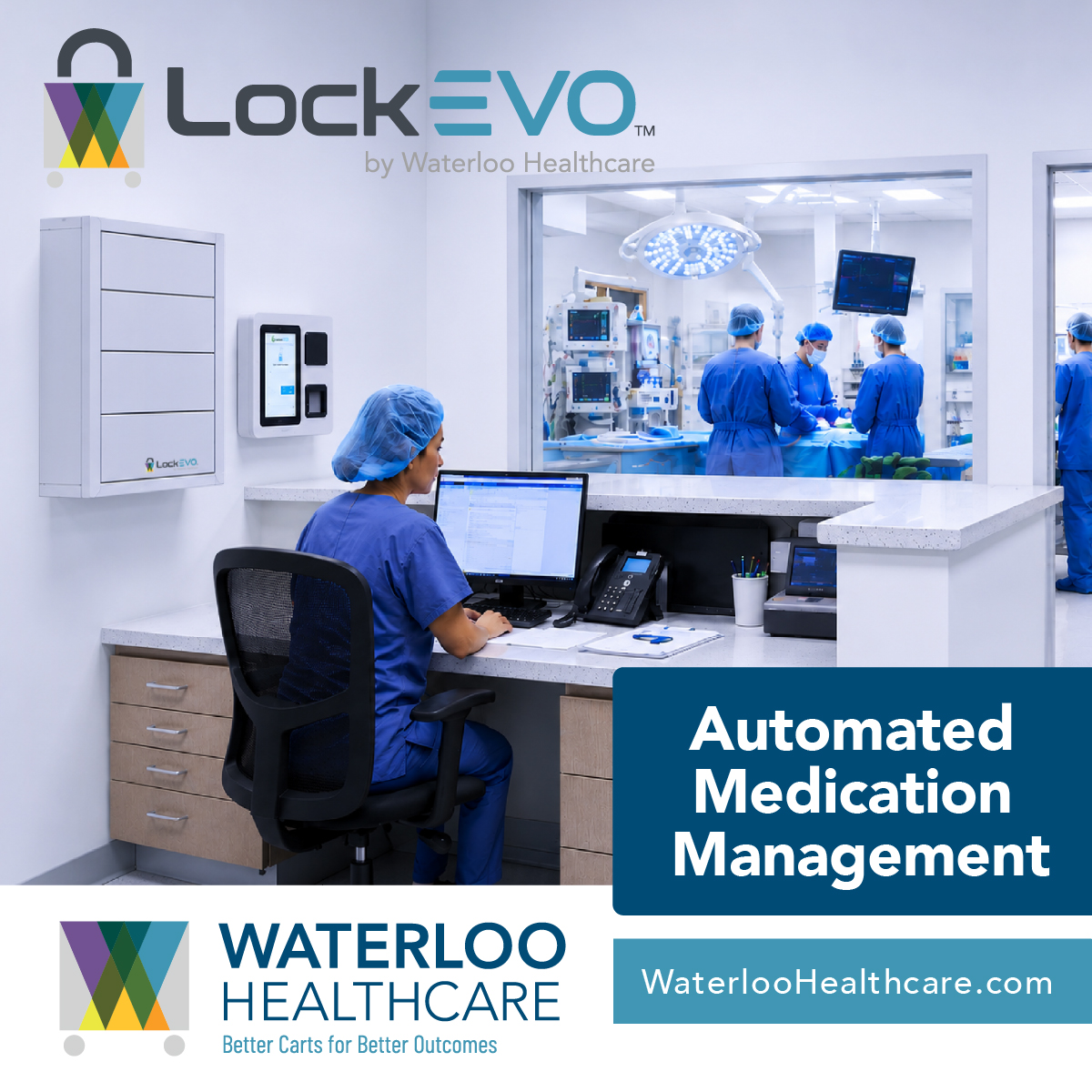
Waterloo Healthcare Introduces LockEVO
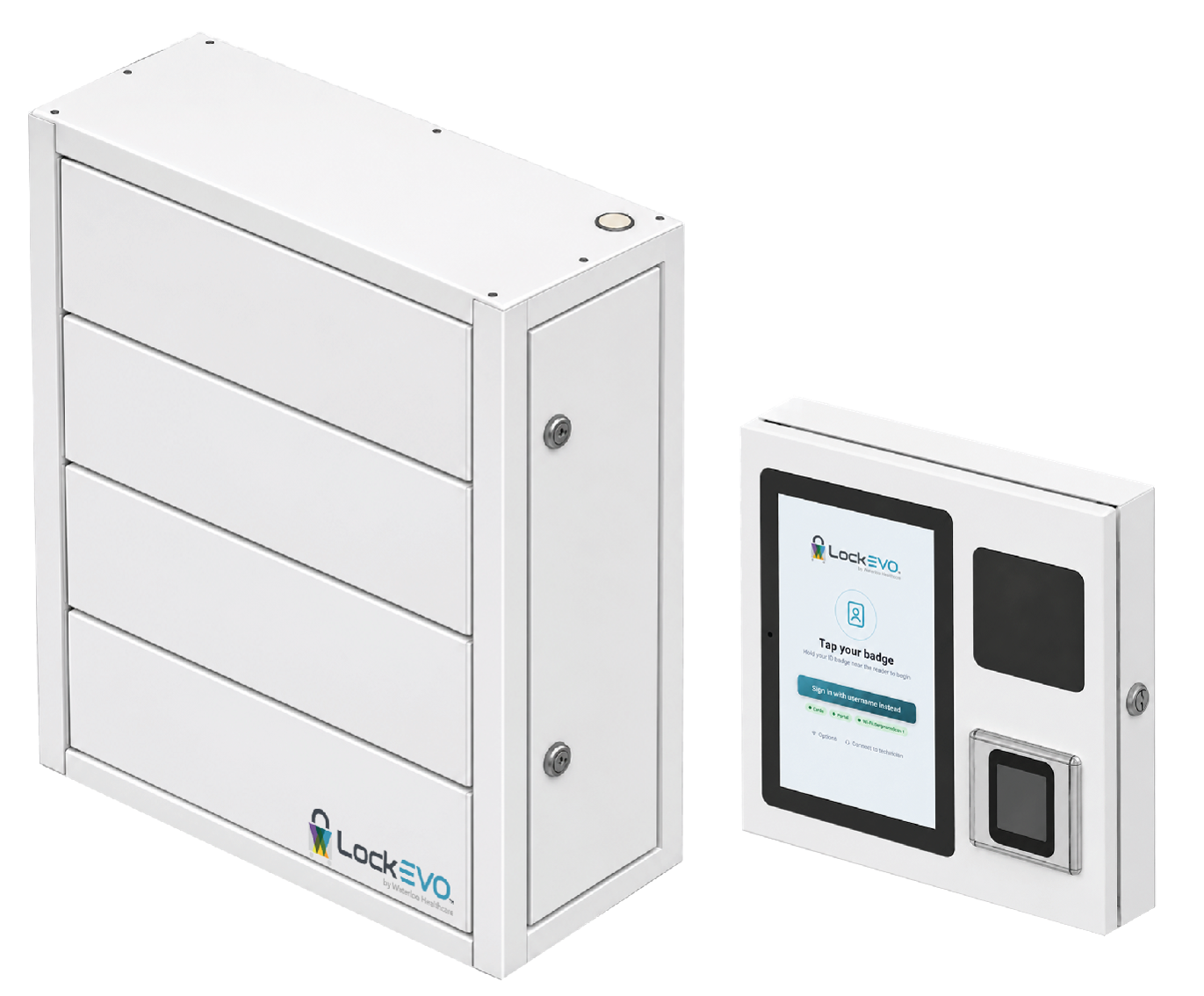
Phoenix, Arizona – September 2, 2026 – Waterloo Healthcare announced today the launch of LockEVO, an integrated electronic locking, inventory management, and compliance platform designed specifically for the security, accountability, and workflow needs of ambulatory surgery centers and similar healthcare environments.

Controlled Substance Security in Outpatient Surgical Care: Closing Operational Gaps
It’s estimated that some 37,000 drug diversion incidents happen at U.S. healthcare facilities each year, and approximately 81% of healthcare leaders believe this diversion occurs within their own organizations and often goes unreported.

Waterloo Healthcare Newsletter – June 2026
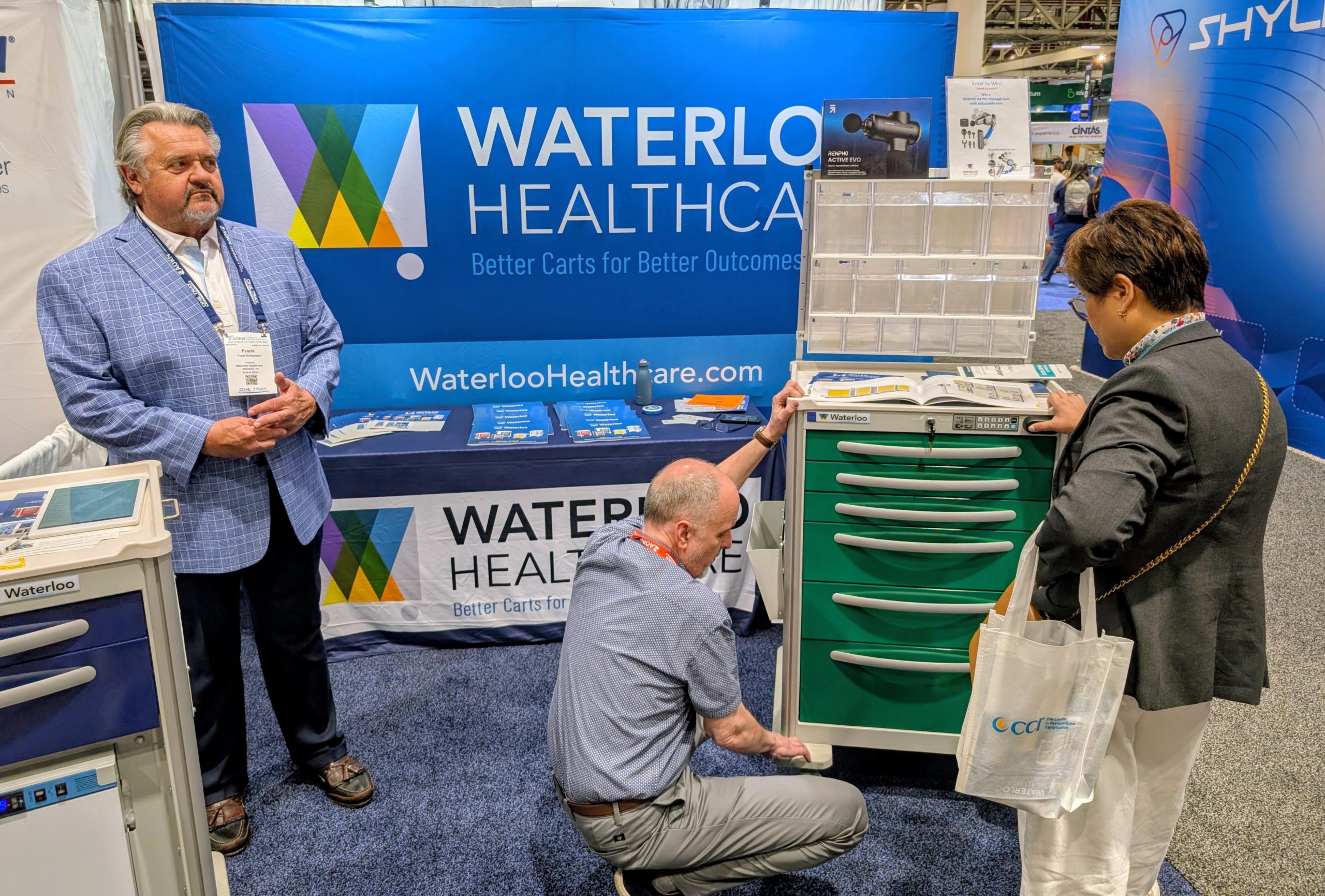
We have been very busy over the past few months. Our team attended more than half a dozen conferences across the United States and Canada, and it was wonderful meeting so many clinicians, administrators, partners, and industry colleagues along the way. Be sure to check out some photos from these events below.
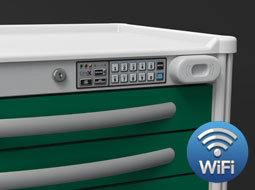
Why Hospitals Are Moving to iCLASS® Credential Technology for Medical Cart Access
In today's healthcare environment, protecting medications, controlled substances, patient information, and critical supplies has become increasingly important. Medical carts are no longer simply storage devices—they are mobile workstations that contain valuable assets and often provide access to medications and patient care documentation.

Crash Cart, Code Cart, Emergency Cart: A Guide to the Terminology
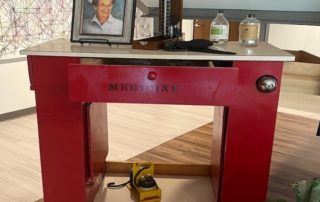
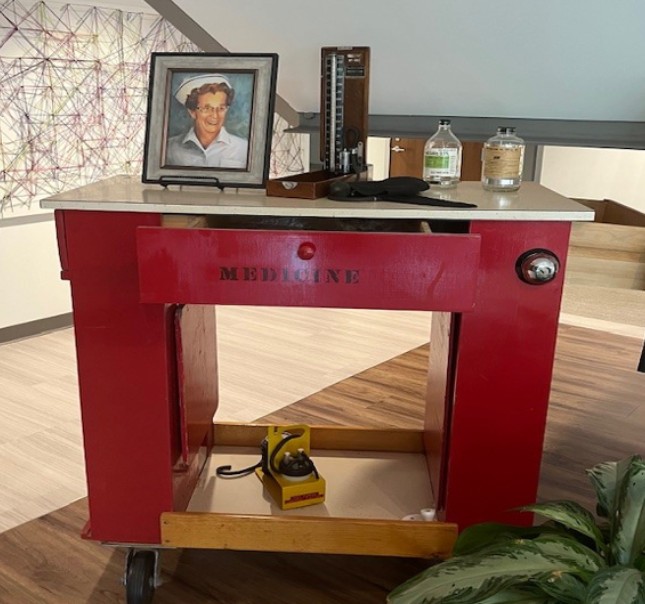
When a medical emergency strikes, the life-saving equipment used in U.S. healthcare settings is almost always the same, but called different things. This can cause confusion and complications for clinicians, documentation teams, and procurement staff. The carts vary in terminology, referred to as crash carts, code carts, resuscitation carts, or emergency carts, depending on the facility. This guide walks through the different terminology used for these carts, why the terms vary, when they are interchangeable, and the history of the crash cart.