Controlled Substance Security in Outpatient Surgical Care:
Closing Operational Gaps
It’s estimated that some 37,000 drug diversion incidents happen at U.S. healthcare facilities each year, and approximately 81% of healthcare leaders believe this diversion occurs within their own organizations and often goes unreported.
In ambulatory surgery centers (ASC) and other outpatient healthcare facilities, controlled substances are integral to daily operations. Drug classes like opioids for pain control, benzodiazepines for sedation, and anesthesia induction agents are standard components of practically every surgical case. Despite this frequent handling of controlled substances, many ASCs still manage access with physical keys, shared cabinet codes, and manual waste logs.
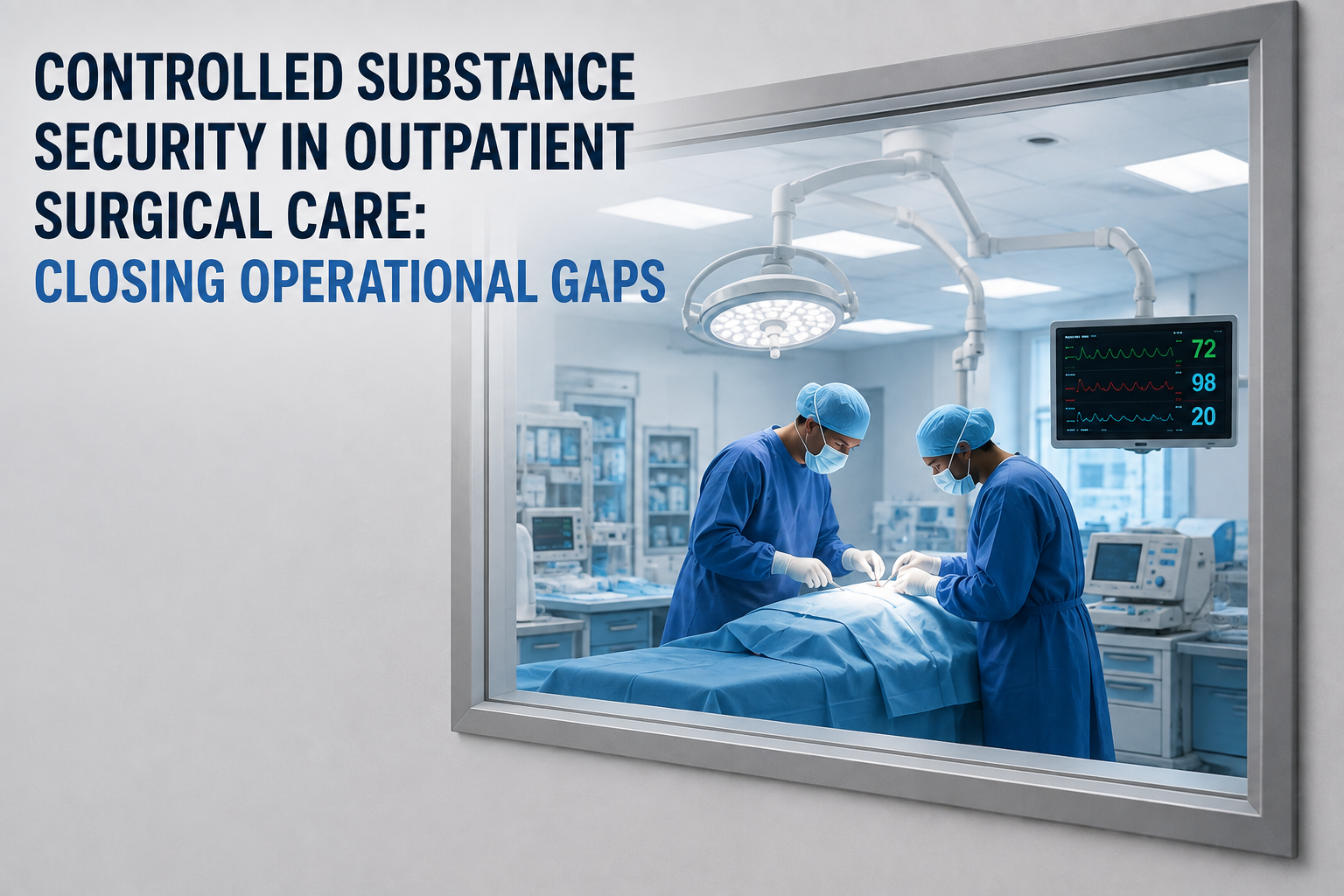
Manual tracking requires staff to witness and record every access and waste event in real time, a consistency outpatient surgical care rarely sustains. Lean staffing, high case volume, and the frequent absence of a dedicated on-site pharmacist make it easier for routine oversight lapses to become security gaps.
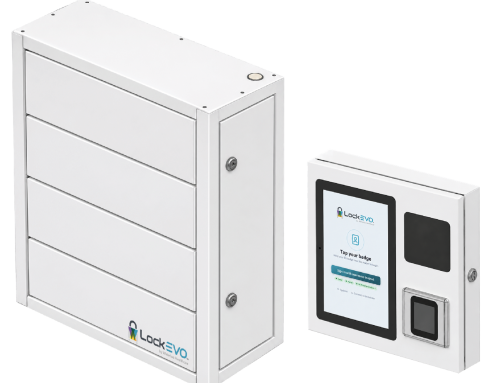
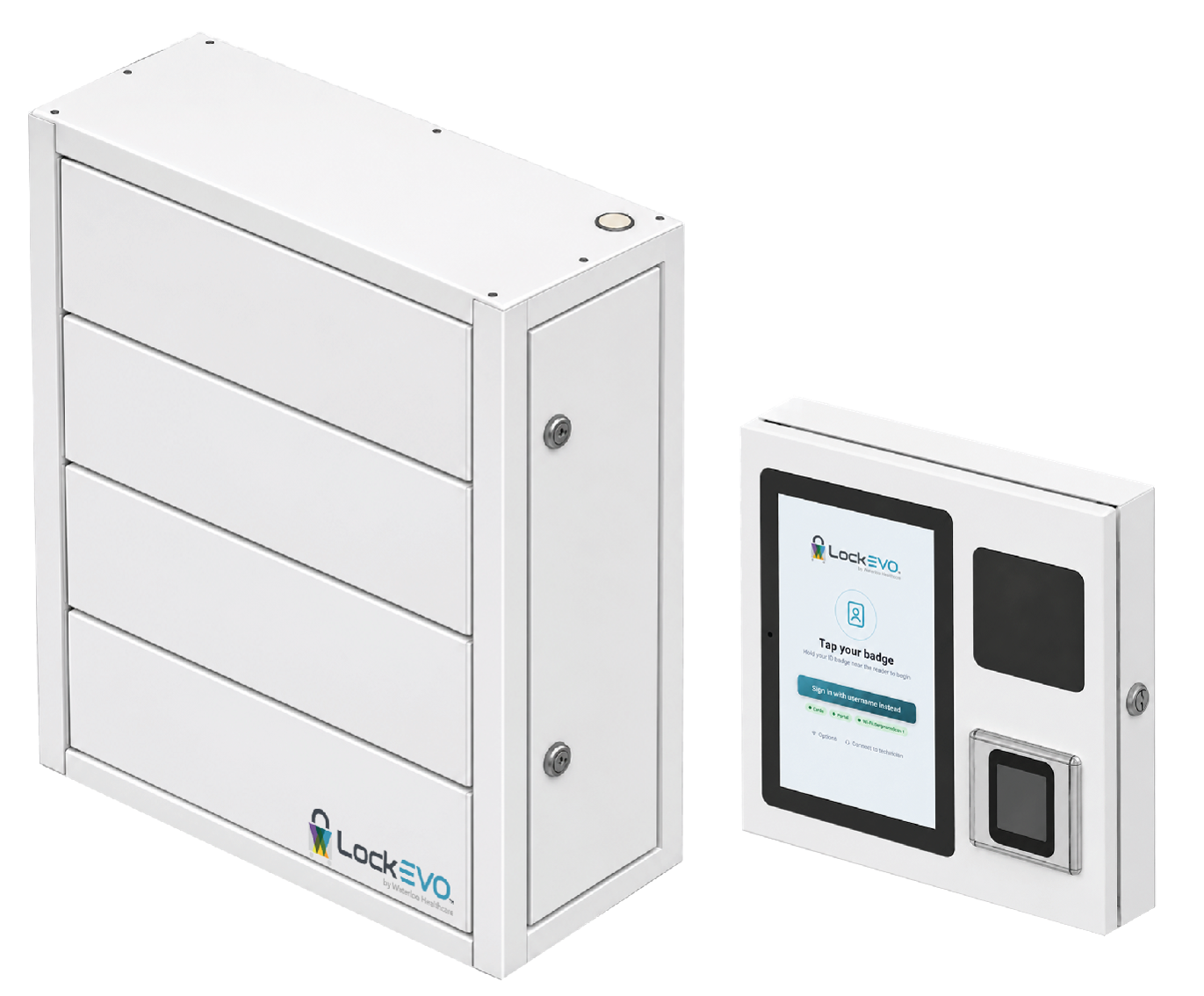
Automated tracking helps prevent incidents by tying access events to individuals and reconciling counts in real time, flagging discrepancies as they occur rather than after the fact.
Why Controlled Substances Are More Challenging in Outpatient Facilities
Controlled substance risk in outpatient surgical care is shaped by three factors that differ from hospital-based care: case volume, staffing capacity, and diversion-prevention programs and resources.
- Staffing: Many ASCs and other healthcare settings operate with small clinical teams handling medication responsibilities alongside patient care, often without the dedicated diversion-prevention role common at larger hospital systems.
- Case volume: A high volume of daily case turnovers generates frequent instances of controlled substance access, removal, and waste, each requiring an accurate manual log entry.
- Programs and resources: Even large hospital systems with diversion-prevention programs fail to include all key departments, like anesthesiology and human resources, within the loop, leaving them underrepresented and widening the potential for errors. Smaller outpatient settings, like ASCs, typically lack dedicated diversion-prevention staff altogether, leaving them with even less infrastructure to manage controlled substance risk.
These operational realities leave manual tracking systems with little margin for error.
Controlled Substance Handling Requirements in ASCs
Handling controlled substances in ASCs involves a few operational necessities not found in other healthcare facilities. These include a tiered handling burden across drug schedules and a structural difference in how substances are stored and accessed compared to hospitals.
Add font-family to the same style attribute:
The Tiered Handling Burden
ASCs handle a mix of Schedule II drugs, like fentanyl and oxycodone, and Schedule IV drugs, like midazolam, each carrying different DEA documentation requirements. Tracking both accurately, often without an on-staff pharmacist to catch errors, adds a layer of complexity most hospital pharmacies don’t face at the same scale.
Add font-family to the same style attribute:
Structural Organization
Storing controlled substances in or near the OR or procedure room, rather than routing them through a central pharmacy, is what allows ASCs to maintain the pace of same-day surgical care. That proximity comes with a tradeoff: compared to a centralized pharmacy model, it increases the number of access points a facility must monitor and secure.
The Risks of Manual Tracking and Storage
Manually tracking medication administration creates specific failure points rather than a generalized risk. The risks outlined below are the specific gaps that automated medication management and stronger security protocols are designed to close.
- Shared keys and cabinet codes — When multiple staff members use the same access code or physical cabinet key to access medications, it’s impossible to tie access events to a specific person. This causes a break in accountability that’s necessary to catch a pattern or problem before it escalates into something more serious.
- Waste documentation gaps — The ASHP Guidelines on Preventing Diversion of Controlled Substances call for a witness and documentation at each waste event, a check that’s only reliable if it’s actually observed and followed rather than signed off on as a formality during busy shifts.
- Delayed reconciliation — Inventory counts should be reconciled after each shift, but busy ASCs and other healthcare facilities often cannot maintain that frequency. When reconciliation lags, discrepancies become harder to trace to a specific person or time window.
When these protocols lapse, the consequences can go unnoticed for years, as one case illustrates. In one instance in 2024, a hospital clinic was penalized and required to implement corrective measures for its pharmacy and controlled substance procedures. One nurse kept leftover doses of a controlled substance (rather than wasting them as required after each patient dose) for nearly two years. The reports that would have caught the pattern were filed away without review until the diversion was eventually discovered.
These risks make strong, consistently enforced security protocols essential for any facility that regularly manages controlled substances.
What Strong Controlled Substance Security Looks Like
Implementing effective controlled substance security in healthcare facilities requires a few structured changes and practices. The practices below are from the ASHP Guidelines and are recommended for all facilities looking to add or improve security around controlled substances.
- Individual accountability — Cabinet access should always be tied to a specific person, meaning individual codes or keys are used as opposed to shared ones. This makes it possible to trace discrepancies back to a specific person and time window.
- Same-shift reconciliation — Mandating reconciliation at the end of each shift catches errors or problems while they’re recent and traceable, making it easier to identify where the issue occurred and resolve it sooner.
- Enforced waste witnessing — Waste witnessing must be enforced as a non-negotiable step, not just written into policy, or the safeguard loses its value, even during high-volume periods.
- Ongoing diversion education — Though healthcare teams operate under limited time and rigid schedules, ensuring staff has adequate and regular training on the behavioral warning signs of controlled substance diversion can help catch problems before they evolve into something more serious. Incorporating this training into the schedule on an ongoing basis, rather than a single onboarding session, keeps staff awareness current.
- Administrative visibility — Involving all relevant departments—including facility leadership—in a diversion program creates visibility into discrepancy patterns that would otherwise go unnoticed at the department level.
Conclusion
Controlled substance security in healthcare facilities like ASCs improves patient safety, staff accountability, and regulatory standing. While the operating realities of outpatient surgical care can make proper security protocols challenging, eliminating manual logs, reducing the number of access points, and enforcing guideline-based practices are three ways to mitigate these challenges.
As expectations for security, accountability, and regulatory compliance continue to rise in outpatient care, facilities that adopt stronger controlled substance management practices today will be better prepared to meet them.
For over 50 years, Waterloo Healthcare has designed medical carts that support that function across hospitals, long-term care centers, ambulatory surgery centers, and rehabilitation facilities. Our customizable solutions are built to withstand the demands of emergency response while supporting the workflow efficiency clinicians depend on in critical situations. Contact our team to learn how Waterloo Healthcare can support your facility’s emergency cart needs.
Frequently Asked Questions
Why are outpatient healthcare facilities considered higher risk for medication diversion? Outpatient healthcare facilities, like ASCs, are considered higher risk for medication diversion because they typically operate with smaller clinical teams, higher case volume per staff member, and no dedicated on-site pharmacist to monitor controlled substance access, unlike most hospitals.
What’s the difference between controlled substances and other prescription medications? Controlled substances are prescription medications that the DEA classifies into Schedules I through V based on their potential for abuse and dependence, which subjects them to stricter storage, access, and recordkeeping requirements than standard, non-scheduled prescription medications.
How can a facility tell if its current system for tracking controlled substances has gaps? A facility can tell its tracking system has gaps if inventory counts don’t reconcile immediately after a case, waste documentation is missing an actual witness rather than just a signature, or there’s no reliable record of exactly who accessed a specific cabinet during a given time window.
What role does staff training play in preventing controlled substance diversion? Staff training plays a critical role in preventing controlled substance diversion because recurring education on behavioral warning signs, rather than a single onboarding session, keeps clinical teams equipped to recognize and report suspicious patterns as they develop over time.